
You've mapped out everything wrong with your current tax processes. The manual reconciliation. The compliance gaps. The audit exposure. It's a compelling case—to you, and fellow indirect tax leaders.
But when you bring it to your CFO, the response is lukewarm. Maybe next quarter. Let's revisit after the reorg. We need to prioritize other initiatives first.
What happened?
Chances are, you pitched the problem instead of the outcome. And you framed it in tax terms instead of business terms.
CFOs don't sign off on tax automation because it's cleaner or more modern. They sign off because it improves business outcomes. Understanding what those outcomes look like—and how your CFO thinks about them—is the difference between a deprioritized project and an approved one.
The CFO landscape in 2025
Not all CFOs are the same. What resonates depends on your company's stage and strategic priorities.
A fast-growing, VC-backed company typically prioritizes speed and expansion. They'll trade some cost efficiency for the ability to move faster into new markets.
A mature, PE-backed company often focuses on cost control and restructuring. Margin optimization matters more than rapid growth.
Most companies want both—flexibility and control that scales with them.
But across the board, the data points to a few consistent themes:
- 90% of CFOs prioritize finance efficiency (McKinsey, 2025)
- 68% are investing in digital transformation (PwC, 2024)
- 83% report accelerated reinvention strategies (Accenture, 2024)
- 63% rank cost-cutting as a top priority (Deloitte, 2025)
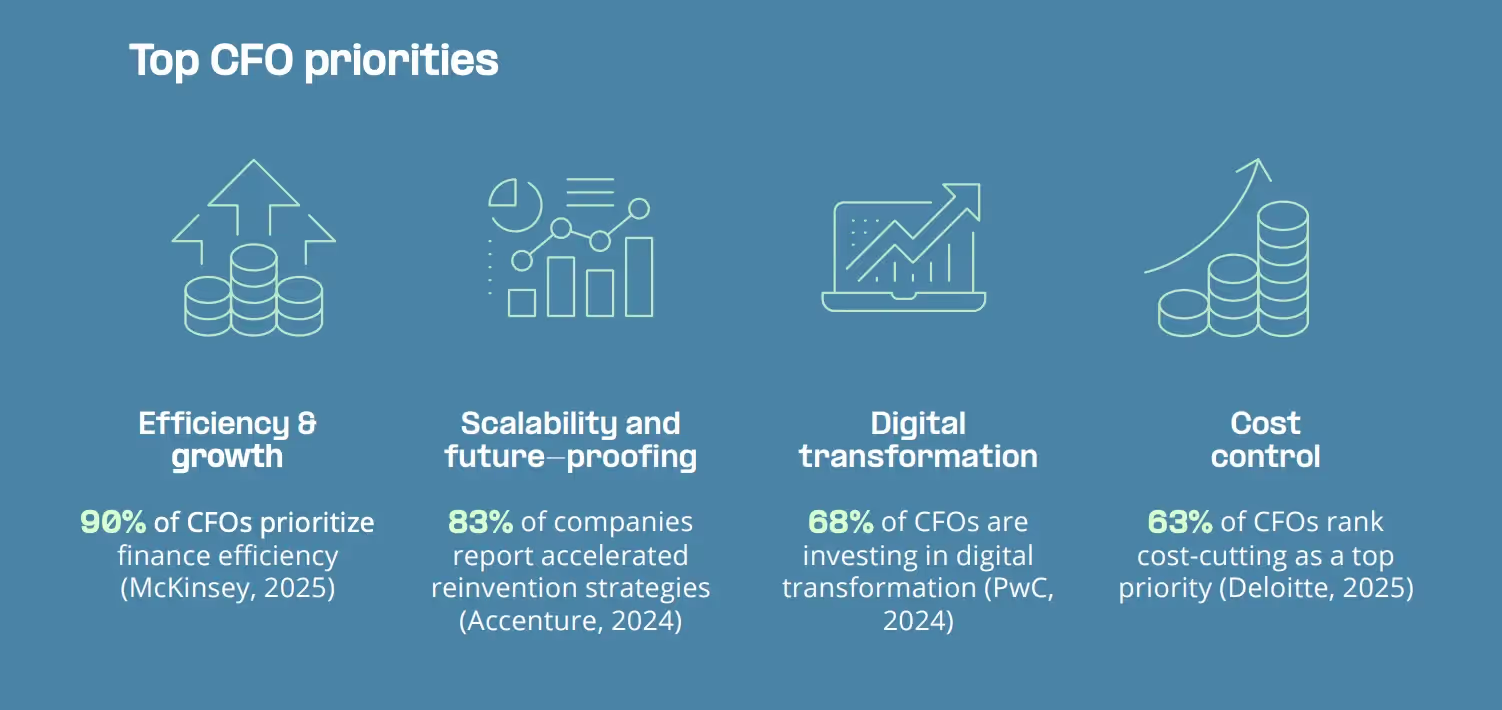
The common thread? CFOs are looking for ways to do more with less, move faster, and build operations that scale without linear headcount growth.
That's exactly what tax automation delivers—if you frame it correctly.
Five metrics that land with CFOs
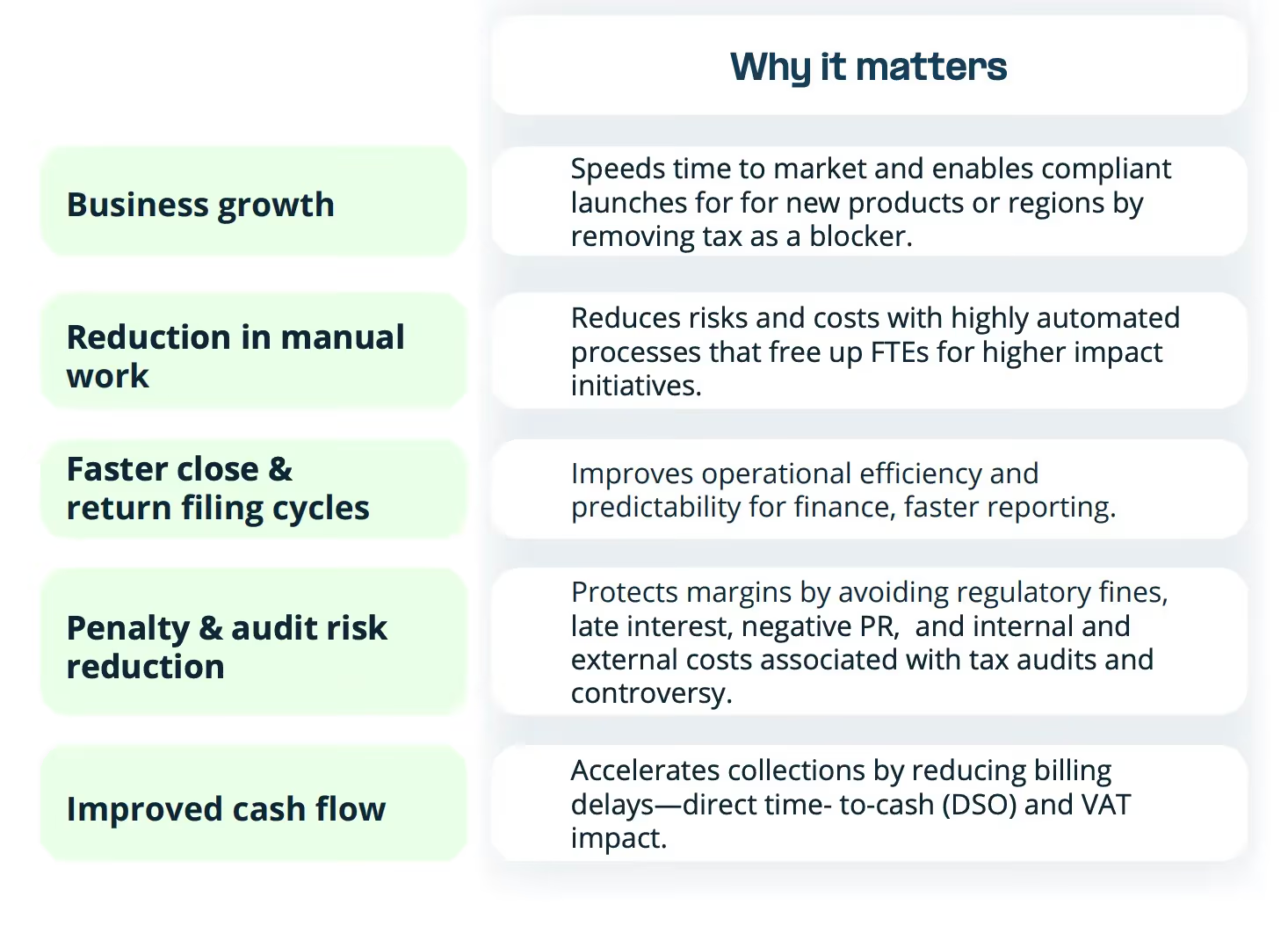
When you're building your business case, anchor it in outcomes that connect directly to what leadership already measures.
1. Business growth (revenue access)
Tax can be a go-to-market blocker. If you can't issue compliant invoices in a new market, you can't collect revenue there. Tax automation removes that barrier.
The pitch: "We can launch in X market Y weeks faster because invoicing and tax compliance are already handled."
2. Faster close and return filing cycles
Manual tax processes slow down month-end close. Automation improves operational efficiency and gives finance predictable, reliable reporting timelines.
The pitch: "We reduce our close cycle by X days and eliminate manual reconciliation bottlenecks."
3. Improved cash flow
Invoicing errors and delays directly impact Days Sales Outstanding. When invoices get rejected or disputed, collections stall. Automation means invoices go out correctly the first time.
The pitch: "We cut X days off our DSO by eliminating invoice rejections and rework."
4. Penalty and audit risk reduction
Regulatory fines, late interest, and audit costs hit the bottom line. But more than that, they create unpredictable exposure that CFOs hate.
The pitch: "We reduce our audit exposure in X markets and avoid an estimated $Y in potential penalties."
5. Reduction in manual work
As transaction volume grows, manual processes don't scale. Automation handles complexity without adding headcount—protecting margins as the business expands.
The pitch: "We can 10x transaction volume without hiring additional tax or finance FTEs."
Real CFOs, real concerns
This isn't theoretical. Here's how two CFOs at Fonoa customers think about tax automation:
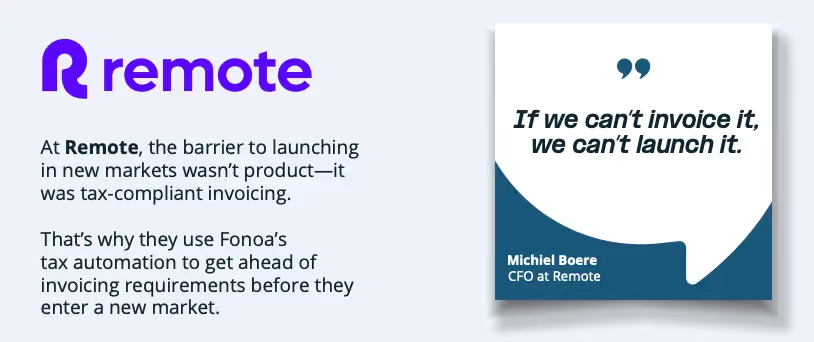
Michiel Boere, CFO at Remote: "If we can't invoice it, we can't launch it."
At Remote, the barrier to entering new markets wasn't product readiness—it was tax-compliant invoicing. They use automation to get ahead of invoicing requirements before they expand, turning tax from a blocker into an enabler.
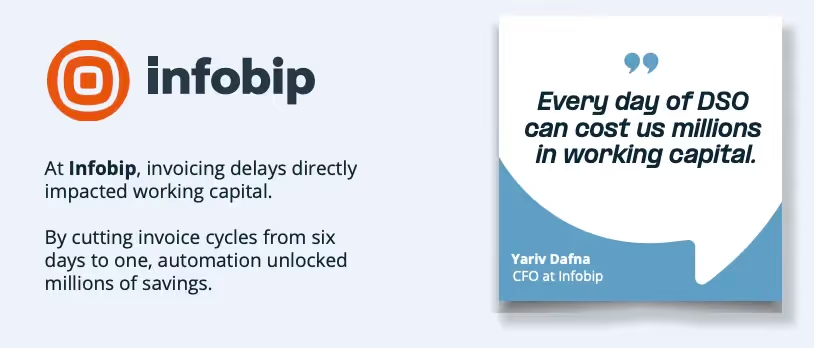
Yariv Dafna, CFO at Infobip: "Every day of DSO can cost us millions in working capital."
At Infobip, invoicing delays directly impacted cash flow. By cutting invoice cycles from six days to one, automation unlocked significant working capital savings.
The takeaway: invoicing issues aren't back-office problems. They're executive-level concerns. For both CFOs, automation became a lever to reduce friction, unlock capital, and accelerate the business.
Tailoring your pitch
Before your next conversation with finance leadership, ask yourself:
- What are our company's top three strategic priorities this year?
- Where does tax currently create drag on those priorities?
- Which of the five metrics above maps most directly to what my CFO cares about?
- Can I quantify the impact in dollars, days, or headcount?
The strongest pitches don't lead with tax problems. They lead with business outcomes—then show how tax automation gets you there.